
Best Day Trips from Split: Islands, Waterfalls, and Beyond
20 July 2026
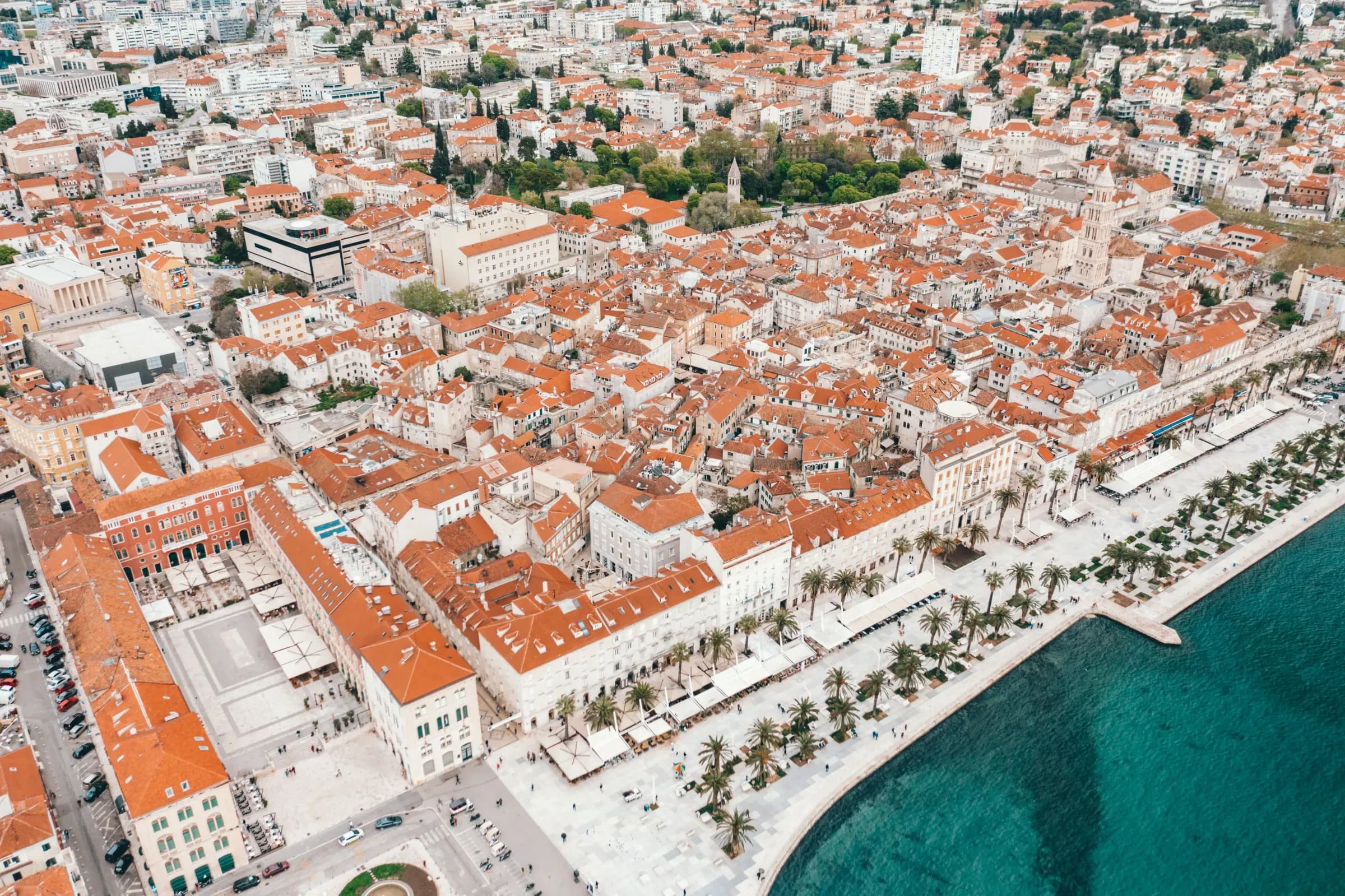
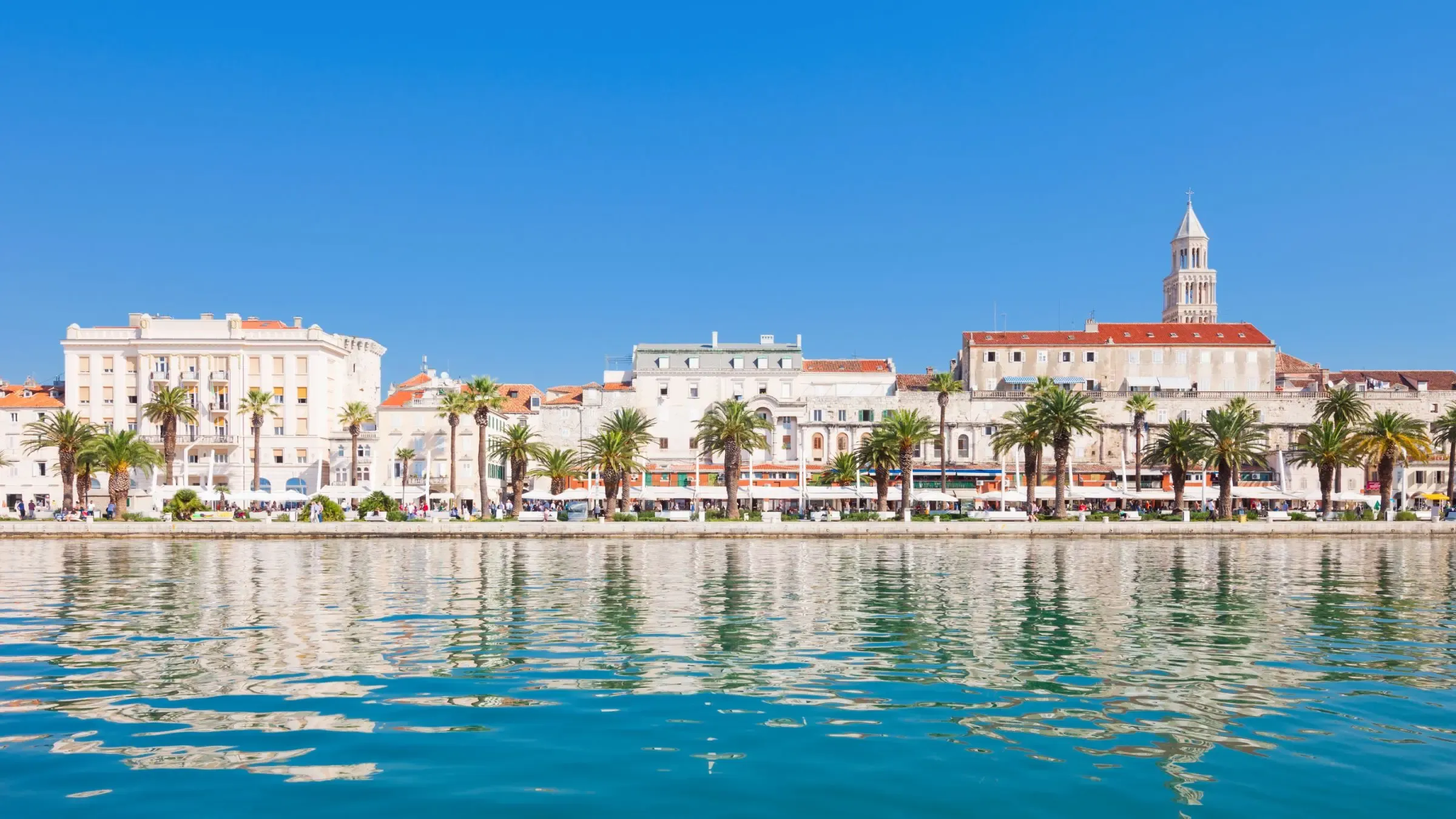
Split is the best base on the Adriatic, and it isn't close. Within a couple of hours you can be standing on a Game of Thrones fortress, swimming under a waterfall, or floating in a sea cave that glows electric blue. The catch is that most day-trip guides read like a booking catalogue. This one doesn't. These are the 10 best day trips from Split, Croatia, ranked by a local, with honest advice on when to take a ferry, when to rent a car, when to book the tour, and when to skip the whole thing and stay in town.
Key Takeaways
- The islands (Hvar, Brač, Šolta) are cheapest and easiest by scheduled ferry, and those run year-round, just less often in winter.
- Krka and Plitvice charge park entry on top of any tour, in cash, and it is cheaper outside the peak summer months.
- Book the organized tour for the Blue Cave, Plitvice, and Mostar. Do the rest yourself.
- Trogir and Klis are quick half-days. Pair them with an afternoon back on the beach in Split.
- Shoulder season (May to June, September) is the sweet spot: warm sea, thinner crowds, cheaper tickets.
How Do You Choose a Day Trip from Split?
Pick your transport first, then the destination follows. Nearly every good day trip from Split falls into one of three buckets, and knowing which is which saves you money and a lot of second-guessing.
- Do it yourself by scheduled ferry. Hvar, Brač, Šolta, and Trogir need no tour at all. Walk to the harbour, buy a ticket, go. Trogir is even simpler by city bus.
- Rent a car. Krka, Klis, and the Cetina valley are faster, cheaper, and more flexible with your own wheels, especially for two or more people.
- Take the organized tour. The Blue Cave cruise, Plitvice, and Mostar involve long drives, a border, or boat logistics you cannot replicate solo. Here a tour genuinely earns its price.
Keep that rule in mind as you read. We break down the real numbers in the cost table further down.
One practical note before you go anywhere: for the scheduled ferries, buy tickets at the Jadrolinija or Krilo window at Split's ferry terminal, or in their apps, and turn up early in peak season because foot-passenger sailings can sell out by mid-morning. For tours, book a day or two ahead in summer. And always carry cash in euros for park and cave entry, which is almost never included in a tour price.
The Best Island Day Trips from Split
Split sits right on the ferry network, so the islands are the easiest wins, and a scheduled ferry is usually the best way to reach them. Scheduled catamarans and car ferries run all year to the main islands, with far more sailings in summer than winter, so island-hopping is not a summer-only thing. If you would rather not plan it yourself, a boat tour will string several islands together in one day.
1. Hvar and the Pakleni Islands
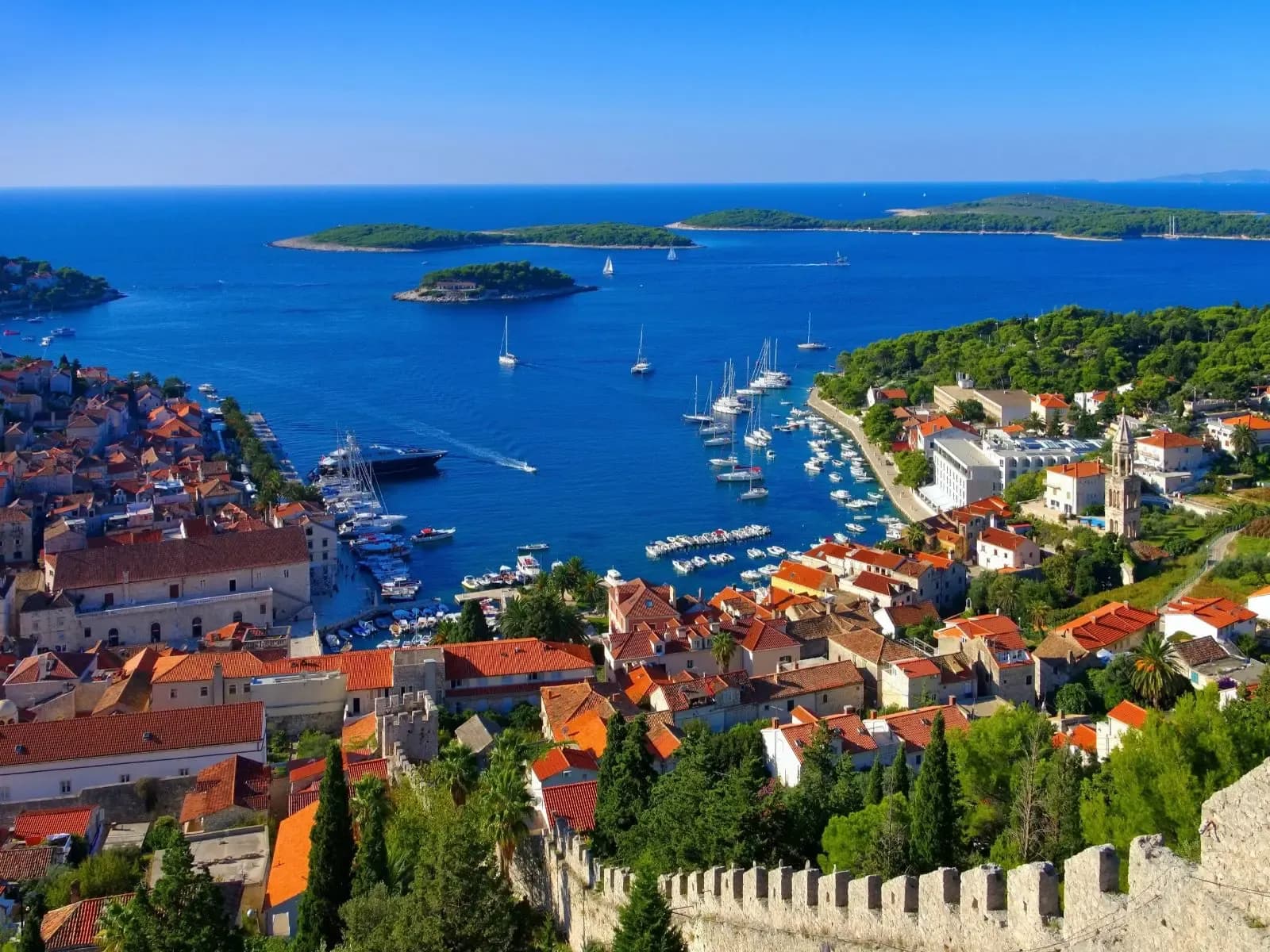
Hvar is the classic first day trip, about an hour away by catamaran and well worth the visit. The Jadrolinija fast catamaran runs from Split straight to Hvar Town, year-round, and the foot-passenger fare is cheap, far less than any organized speedboat tour. Book the catamaran, not the car ferry: the car ferry lands at Stari Grad on the other side of the island, a 20-minute bus ride from Hvar Town.
Climb to the Fortica fortress for the postcard view over the harbour and the Pakleni Islands, then wander St Stephen's Square, the largest old-town square in Dalmatia. In summer, small taxi boats leave Hvar Town harbour for the Pakleni Islands every 20 minutes or so, a few euros each way, dropping you at clear-water swimming coves. Hvar's nightlife is famous, but as a day trip it is the fortress, the square, and the swim that sell it.
2. Brač and Zlatni Rat, the Golden Horn
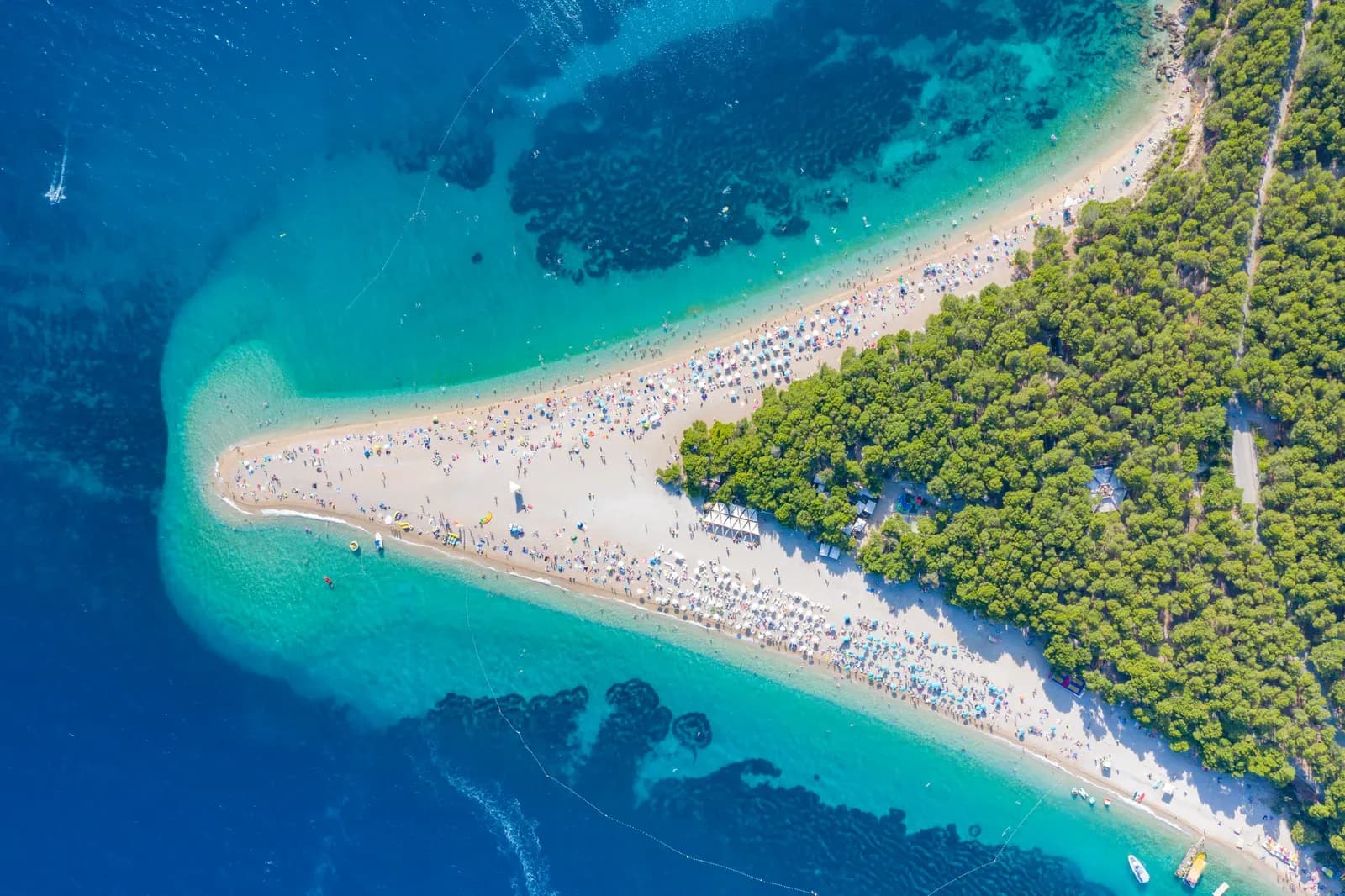
Brač is home to the most photographed beach in Croatia, and it is an easy self-guided trip. The Split to Supetar car ferry crosses in about 50 minutes and runs all year, with cheap foot fares; a newer fast catamaran does the same hop in around 20 minutes. From Supetar it is a 40-minute drive or bus south to Bol.
That last detail trips people up: the car ferry lands at Supetar in the north, not at Bol. Bol is where you want to be, because just west of town lies Zlatni Rat, the Golden Horn, a long pebble spit that actually changes shape and direction with the wind and currents. It is a top windsurfing spot, and the climb up Vidova Gora above it gives you the whole island at your feet. In peak summer a seasonal direct Split to Bol catamaran saves you the transfer.
3. The Blue Cave and the Five Islands Cruise
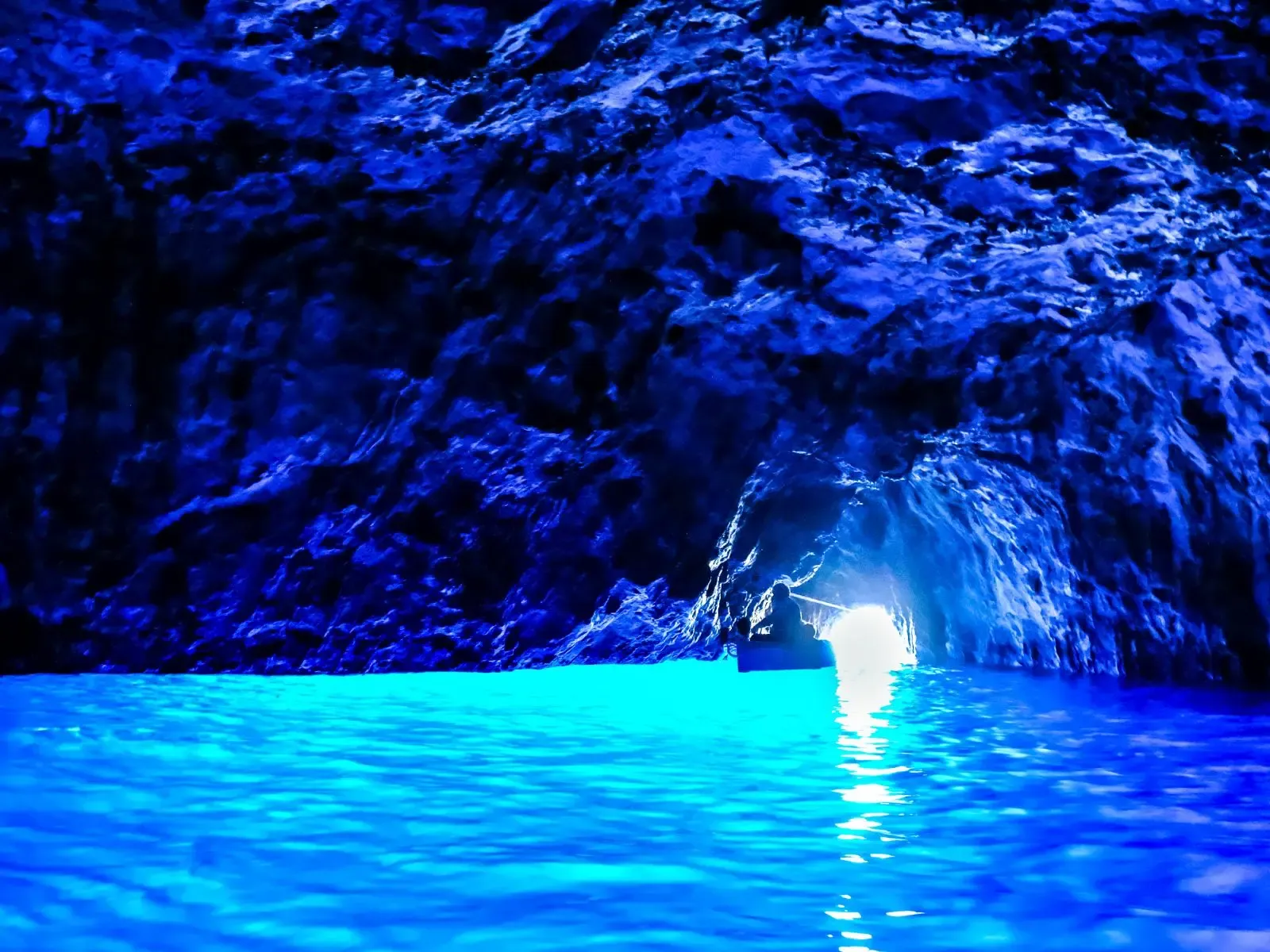
The Blue Cave is the trip you should book as a tour, no question. It sits on tiny Biševo island, too far and too fiddly to reach on your own, so the full-day 5 Islands speedboat cruise is the standard way in. These run roughly 10-11 hours and are one of the pricier day trips on this list, though often cheaper if you book well before the season starts.
The "five islands" usually means the Blue Cave on Biševo, the town of Vis, the dramatic Stiniva cove, the turquoise lagoon off Budikovac, and a stop at Hvar or the Pakleni Islands. One thing tour prices almost never include: the Blue Cave itself charges a separate entry fee, paid in cash on the boat. The cave only glows at midday with calm seas, and it closes when the water is rough, so there is no guaranteed entry. Book ahead in peak season, because the good small-group boats sell out.
4. The Blue Lagoon near Trogir
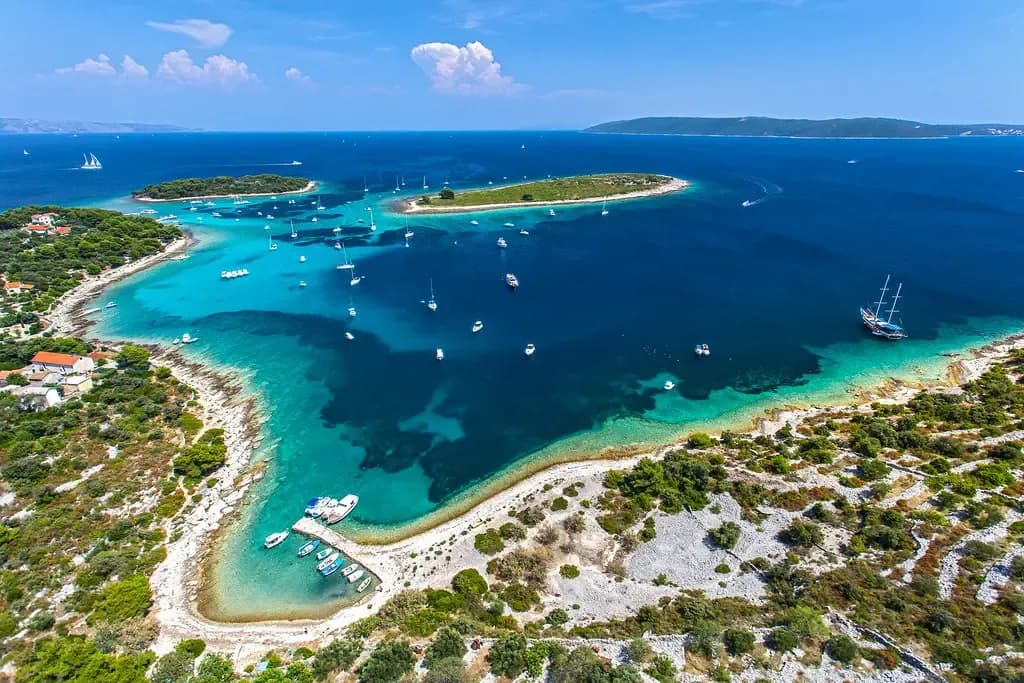
If a full-day island cruise feels like a lot, the Blue Lagoon is the shorter, gentler version. It is a half-day speedboat trip of around four to five hours to the Krknjaši bay near the islet of Drvenik Veli, west of Trogir, running roughly May to October, and one of the more affordable trips on the water.
The draw is simple: shallow, brilliant turquoise water that stays calm and warm, ideal for swimming and snorkelling with kids. Most operators pair it with a stop in Trogir and sometimes Maslinica on Šolta, which makes it a relaxed, low-effort day on the water rather than a marathon.
The Best National Park and Nature Day Trips from Split
Croatia's two headline national parks, Krka National Park and Plitvice, are both doable from Split, but they are very different days. One is close and swimmable, the other is a long haul you should hand to a tour.
5. Krka National Park
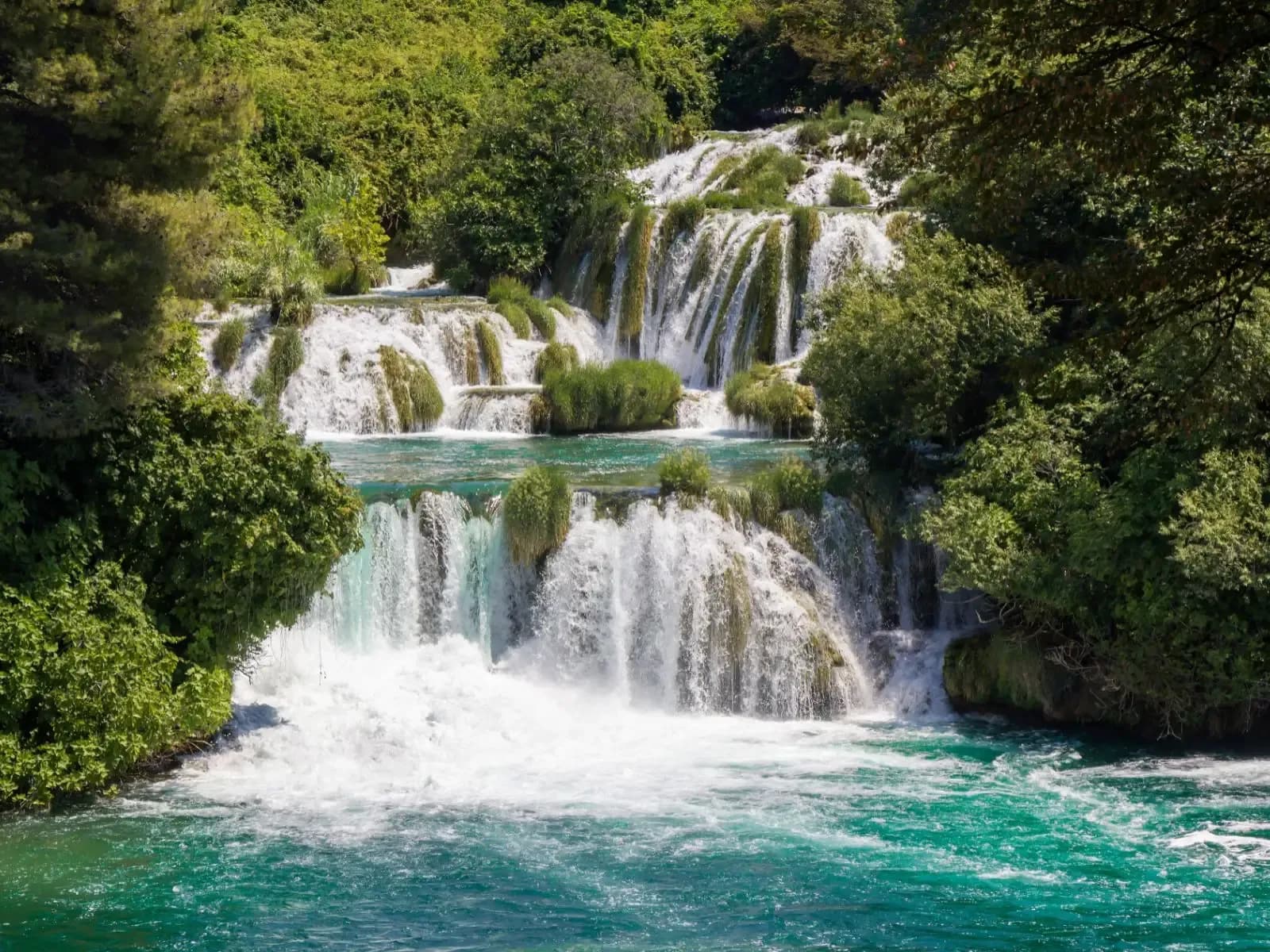
Krka is the waterfall park you can actually reach in a morning, about an hour and a quarter to an hour and a half from Split by car. Skradinski Buk, its star, is a travertine cascade often called the longest of its kind in Europe, wrapped by a couple of kilometres of wooden boardwalk. Add Roški Slap and the boat out to the Visovac island monastery and you have a full, easy day.
Two things to get right for 2026. First, entry is seasonal and paid in cash, cheaper outside the peak summer months, with a discount if you arrive later in the afternoon. If you take an organized bus tour, that park entry is almost always extra and cash-only, so a tour saves you the drive, not the ticket.
Second, swimming under Skradinski Buk has been banned since 2021 and remains banned in 2026. You can still swim, but only at Roški Slap, Stinice, and Pisak, and only from June to September. Check the official park site at npkrka.hr for the current price before you go.
6. Plitvice Lakes
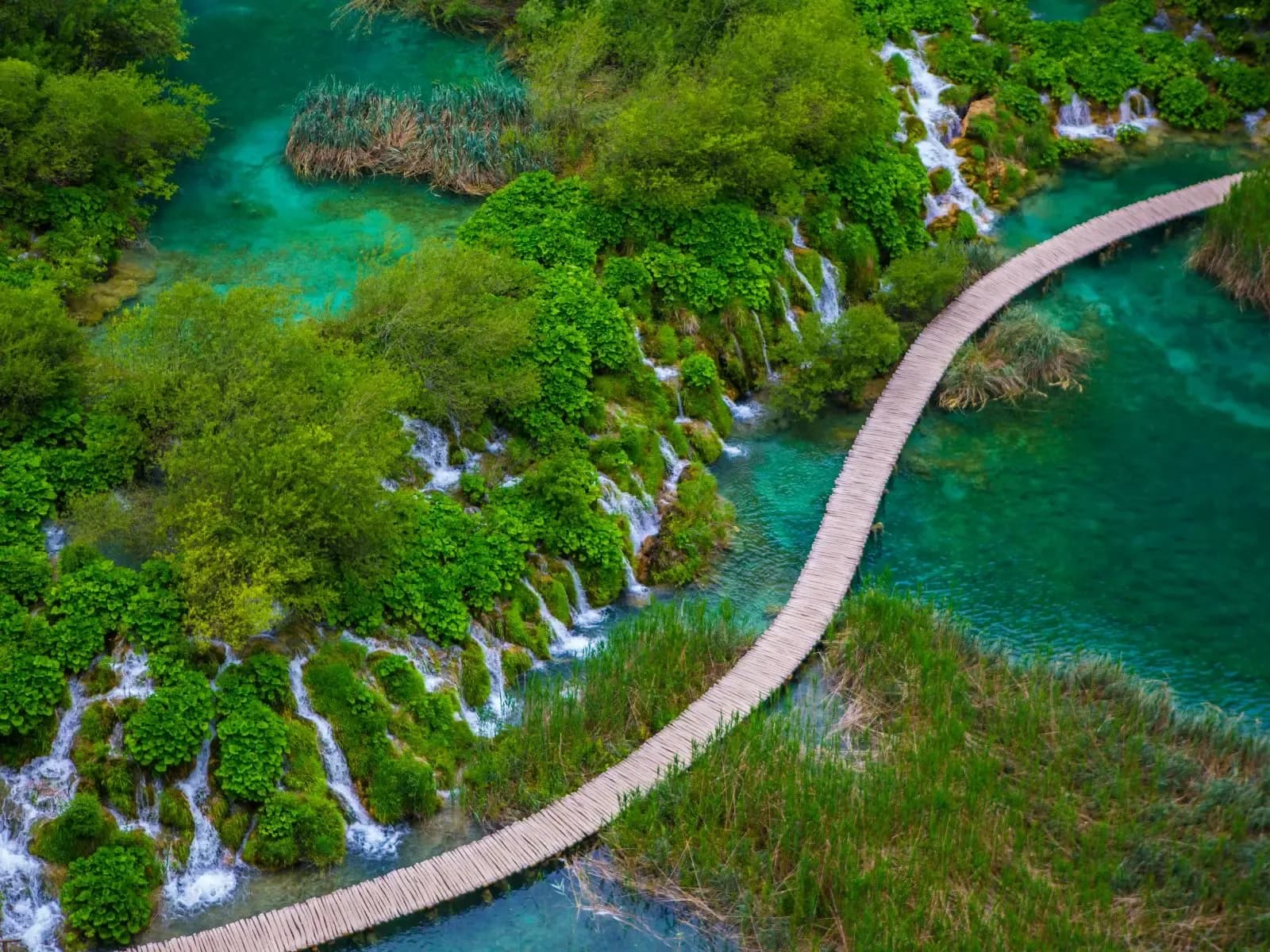
Plitvice is the most beautiful place on this list and the one you should think hardest about. It is a genuine long day, about two and a half to three hours each way, so this is a take-the-tour trip: let someone else drive while you nap. Group day tours from Split cover the long drive, and as with Krka, the park ticket is extra and paid in cash.
The ticket is at its priciest in peak summer and much cheaper in the shoulder and winter months, with a lower rate if you enter later in the day. Entries are timed and capped daily, so book online in advance at np-plitvicka-jezera.hr from June to September, and start as early as you can.
What you get is a chain of sixteen beautiful turquoise lakes stitched together by boardwalks and waterfalls, with a free boat across Lake Kozjak and a panoramic shuttle train included. It is the most famous natural site in Croatia for a reason, and worth the long day if you have the time.
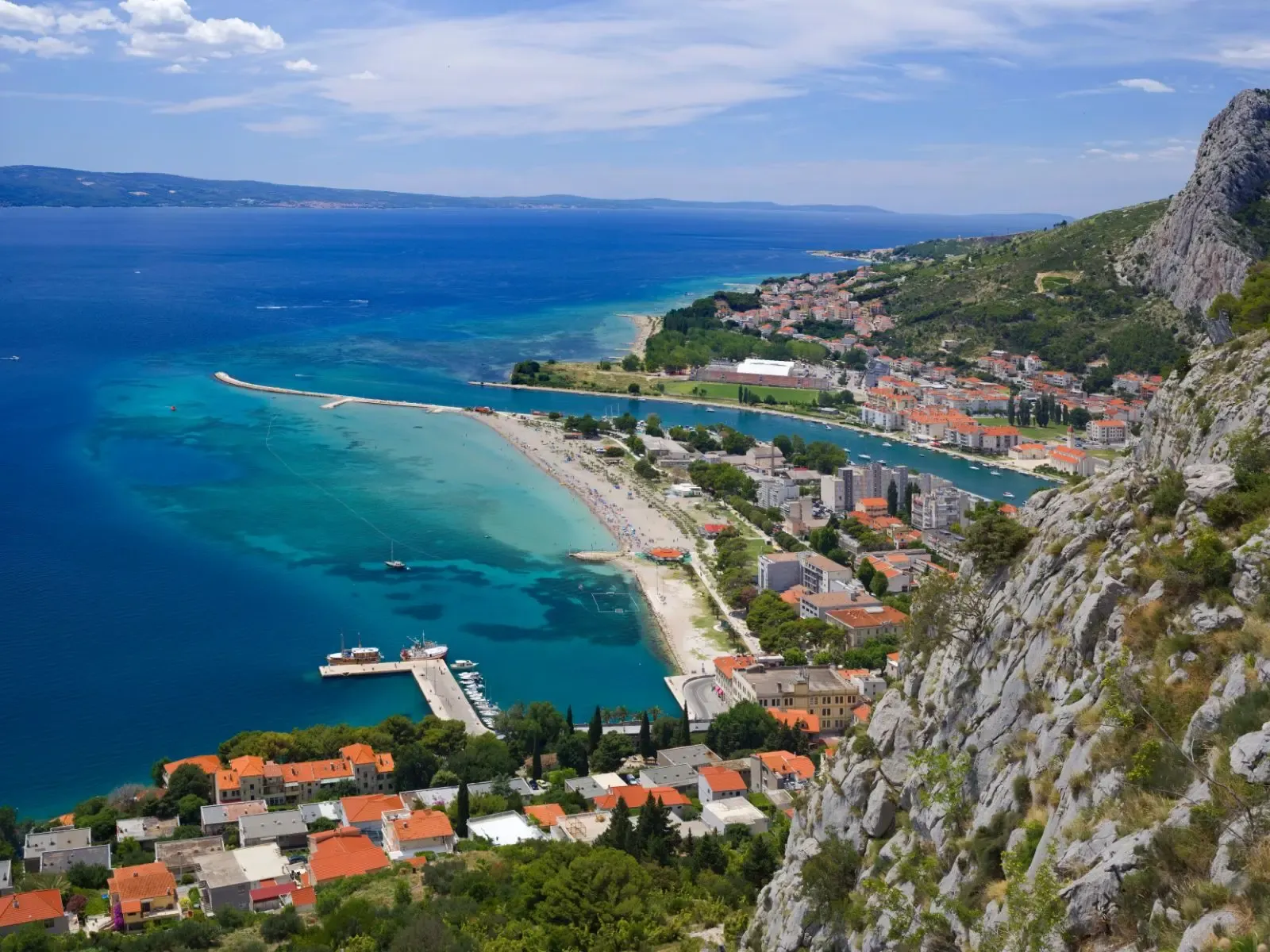
7. The Cetina River and Omiš
For an active day close to home, the Cetina is a local favourite that most visitors miss. Omiš, an old pirate town wedged where the river meets the sea, sits just 30 to 45 minutes down the coast. From there you can raft the emerald canyon on a gentle run of about two and a half to three hours, or swap it for a kayak, a zipline strung across the gorge, or a proper canyoning trip if you want more adrenaline.
The water is startlingly green, the canyon walls close in, and there is time to swim and jump off the rocks between the mild rapids. It is a hit with families and anyone who wants a break from old stone and tour buses. Most operators throw in a Split or Trogir pickup for a small fee.
History and Half-Day Trips from Split
Not every day trip needs to eat the whole day. These two are close, quick, and easy to pair with a lazy afternoon back in town.
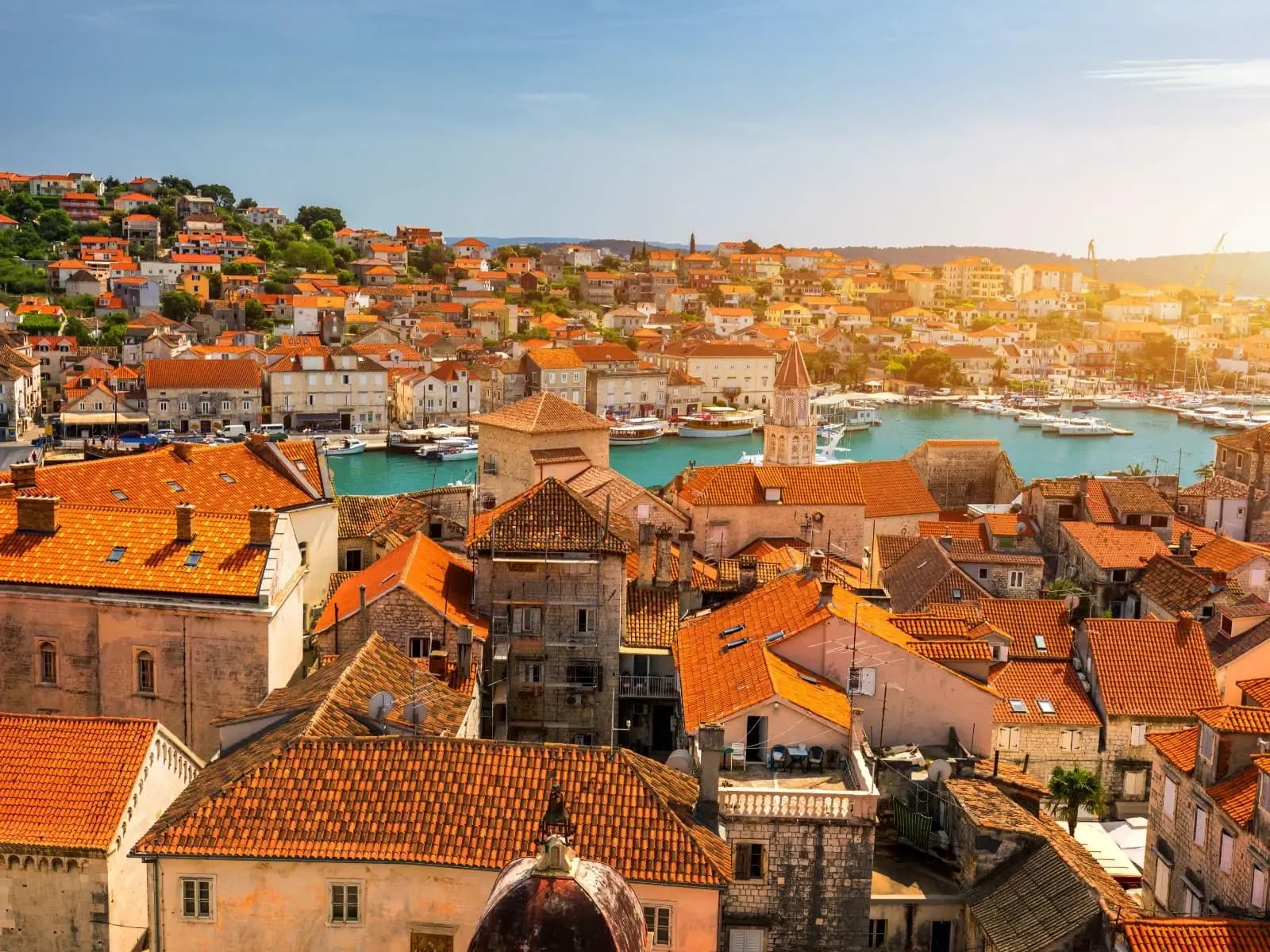
8. Trogir
Trogir is a UNESCO World Heritage Site, an old town packed onto a tiny island, about 30 to 40 minutes from Split and one of the cheapest trips going. City bus number 37 runs every 20 minutes or so and is cheap, or you can arrive by boat in about an hour. Wandering the marble streets is free; the Cathedral of St Lawrence with its 13th-century carved portal has a small entry fee, as does the Kamerlengo fortress.
Three to five hours is plenty here, which is exactly why it pairs so well with a Blue Lagoon boat trip or a swim on the way back. Go in the morning before the tour groups, grab a coffee on the riva, and you have seen the best of it before lunch.
9. Klis Fortress
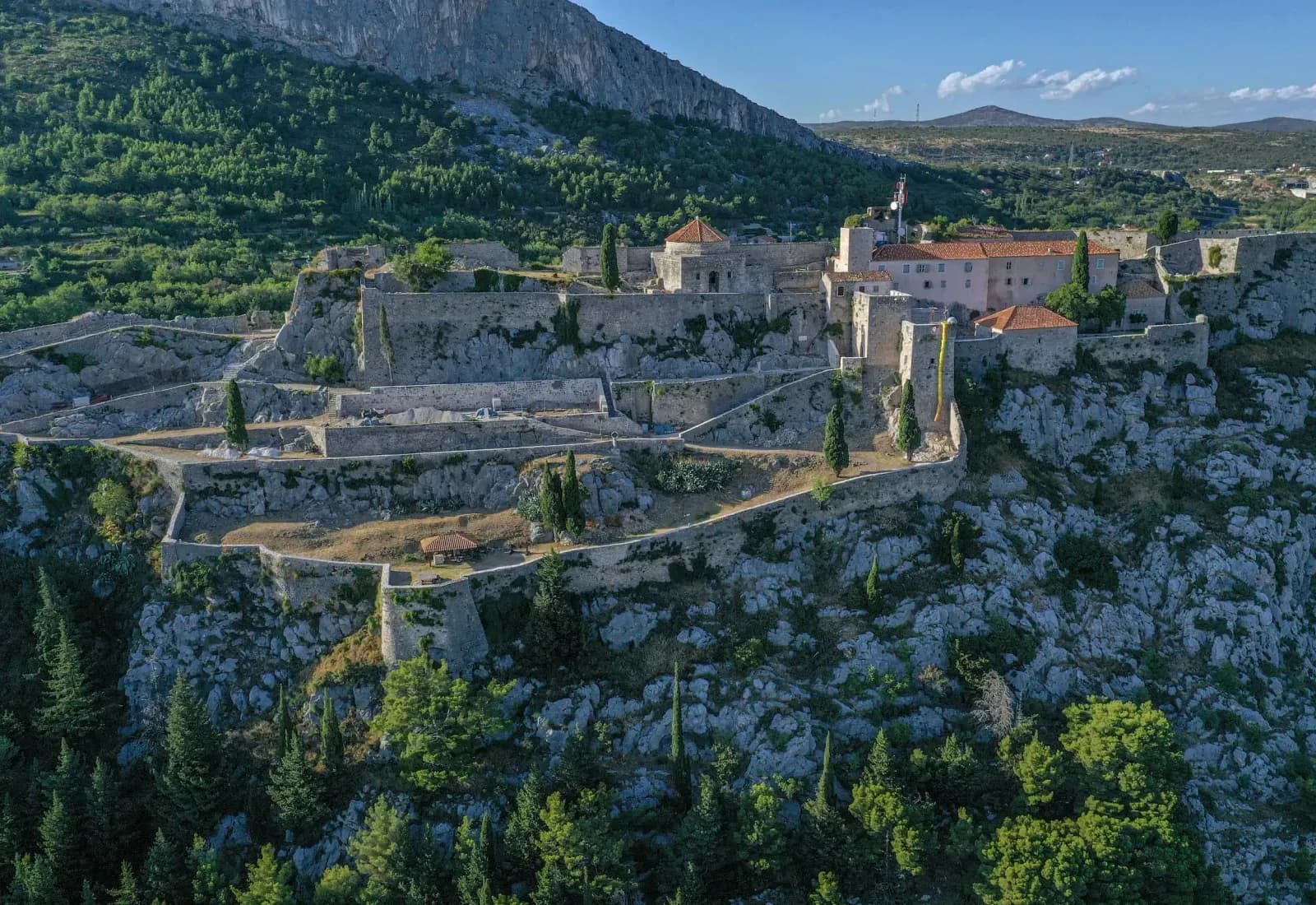
Klis is the shortest big-hitter on this list, a medieval fortress just 20 to 30 minutes above Split that Game of Thrones fans will recognise as Meereen. There is a modest entry fee, and it is open daily, roughly 08:30 to 20:30 in summer with shorter hours off-season. There is a small free car park, so it is an easy drive or a quick local bus, and well worth the short visit for the views alone.
The reward is a full hilltop fortress and a 360-degree view over Split, the sea, and the islands. It takes an hour or two, which makes it the ideal half-day: see the fortress in the morning, then drop back down to Split for the afternoon. The village taverns nearby are known for their spit-roast lamb and pršut if you want to make a meal of it.
The Big One: Mostar in Bosnia and Herzegovina
Mostar is the day trip that leaves Croatia entirely, and it is worth the passport. Bosnia and Herzegovina is about two and a half to three hours each way, across an EU border, so bring your passport and expect the drive to fill most of the day. Group tours from Split fill a long nine to eleven hour day, often bundled with the Kravice Waterfalls, the village of Počitelj, or Medjugorje.
The heart of it is Stari Most, the elegant Ottoman bridge first built in 1566, destroyed in the war, and rebuilt in 2004, now a UNESCO World Heritage Site where local divers still leap into the river below. The old bazaar around it is all copper stalls, mosques, and Turkish-era houses. One honest warning: don't take the tours that cram Mostar, Kravice, Počitelj, and Medjugorje into a single day, because you will spend most of it on the bus. And remember Bosnia is not on the euro, so carry some Bosnian marks in cash for entry fees and lunch.
DIY vs Organized Tour: What a Day Trip from Split Really Costs
Here is the honest math no booking site shows you: a tour usually saves you the driving, not the money, and park or cave entry is almost always extra and paid in cash. Weigh it trip by trip.
| Day trip | DIY (transport + entry) | Organized tour | Our verdict |
|---|---|---|---|
| Hvar | ~€12-€25 catamaran return | €110+ five-islands combo | DIY by catamaran |
| Krka | ~€40 summer entry + ~€30 car | €45-€55 + €40 entry (cash, extra) | DIY if you will drive |
| Blue Cave | Not realistic solo | €110-€145 + €18-€24 cave entry (cash) | Take the tour |
| Plitvice | €40 entry + 5-6 hours driving | €60-€100 + €40 entry (cash) | Take the tour, skip the drive |
| Mostar | Hard solo (border, distance) | ~€75 | Take the tour |
When Are Day Trips from Split Worth It?
The best time to visit Split for day trips is mid-May to June and September into early October. The sea is warm from late May, the crowds thin out, park tickets drop to roughly half of peak, and you rarely need to pre-book everything. This is the sweet-spot time of year: everything is open, but the queues and prices have not yet hit their July peak. July and August bring the heat, the biggest crowds, cruise-ship day-trippers in town, and the top park-ticket prices.
Winter flips the math. The national parks are open with their cheapest tickets of the year, but most boat excursions like the Blue Cave, the Blue Lagoon, and the Pakleni taxi boats pause from about November to April. The scheduled ferries to Brač, Hvar, Šolta, and Vis keep running all year, so the islands are always reachable, just on a thinner timetable.
When to Skip the Day Trip and Stay in Split
Some days you honestly don't want to leave. On a peak-August scorcher, in the thick of the summer crowds, or on a windy day when the sea is rough and the Blue Cave won't even open, a three-hour-each-way run to Plitvice or Mostar is not worth it. Those are the days to stay put. Split itself is one of the best cities in Croatia to spend a slow day, and it holds a full one easily, with the beach right here for the afternoon.
If that is your call, we have you covered: our full guide to things to do in Split has the bad-weather and peak-crowd ideas, and our Žnjan beach guide sorts out the beach half of the day just below the old city.
Plan Your Split Trip
Split rewards you whether you island-hop every day or barely leave the old town. Line up one big trip, one easy half-day, and leave room to do nothing at all. And when the beach day comes, Žnjan is home base, with Central Beach right there on the sand to land on when you get back.
---
- Split
- Day Trips
- Croatia
- Travel
Continue reading